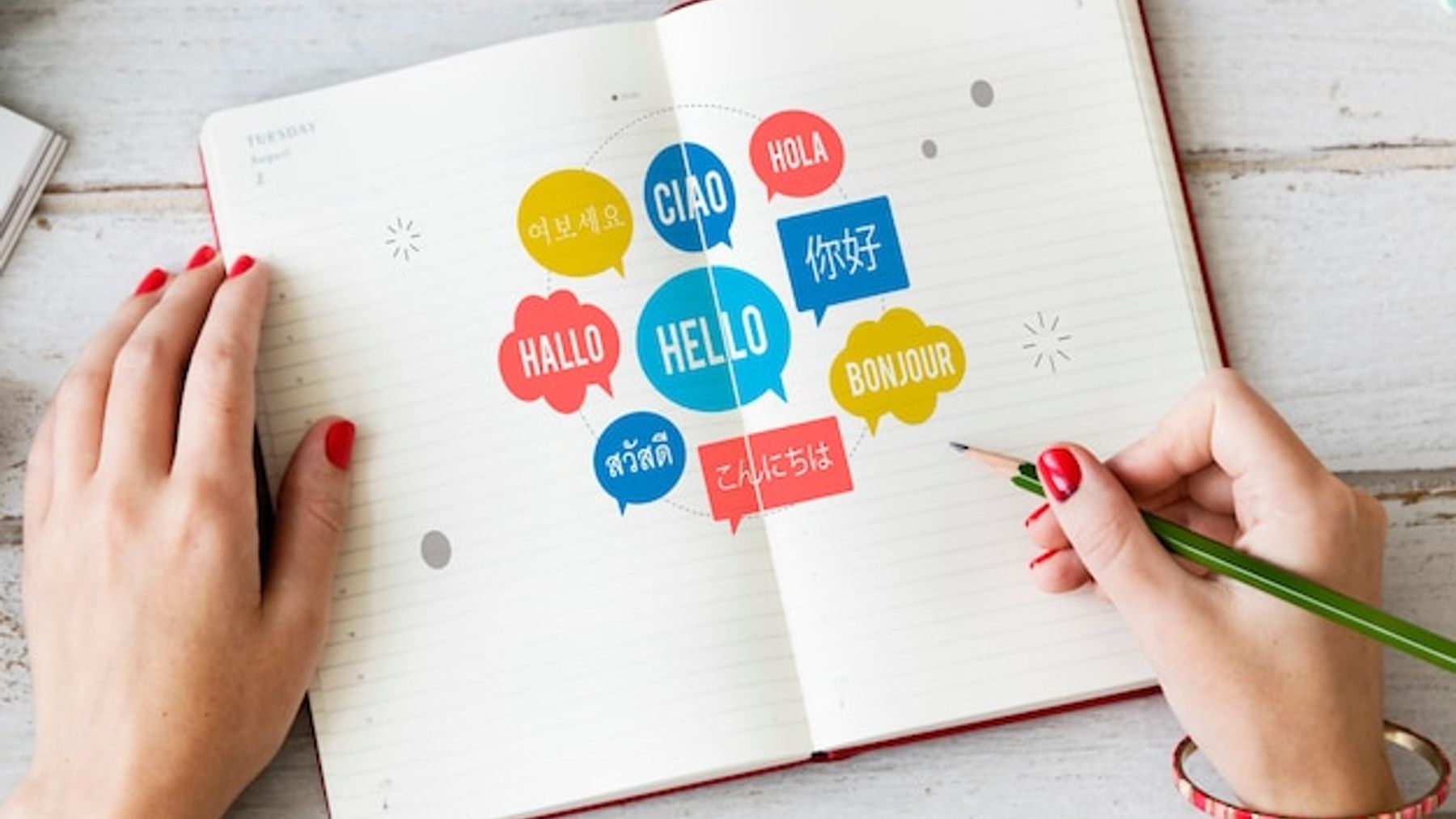
There are three common ways creators try to translate a video: subtitles, manual dubbing with voice actors, and AI dubbing. Only one of them scales without draining your time or your budget. Here's how translation actually works with Reedapt Dub, and why the method matters as much as the decision to translate at all.
Subtitles: Fast and cheap, but they demand full visual attention from the viewer, which is a hard sell on vertical shorts where viewers are scrolling and half-watching. Subtitles also do nothing for viewers who prefer audio, including large accessibility and low-literacy audiences.
Manual dubbing with voice actors: High quality when done well, but slow and expensive. Booking talent, recording, syncing, and re-editing for every language multiplies your production time by however many languages you want to reach.
AI dubbing: Translates and re-voices your video automatically, preserving your original voice characteristics, at a fraction of the time and cost of manual dubbing. This is the category Reedapt Dub is built for.
How Reedapt Dub Translates a Video
- Upload your video as-is, no separate script required.
2. Transcription captures the original spoken dialogue.
3. Translation converts that dialogue into your selected target language, or languages, since you can queue several at once.
4. Voice cloning regenerates the audio in the target language using a model trained to preserve the original speaker's voice, tone, and delivery, not a generic robotic narrator.
5. Output is a fully dubbed version of your video, ready to review and publish.
This is the same process that let WINLOS translate their film catalogue, dialogue-heavy, multi-speaker, emotionally expressive content, into French without hiring separate voice talent per title.
Why "Sounds Like the Original Speaker" Matters More Than People Expect
Generic auto-dubbing tools, including built-in platform auto-dub features, often produce audio that sounds noticeably synthetic or loses the emotional weight of the original performance. This matters enormously for anything performance-driven: films, testimonials, sermons, or personality-led content.
WINLOS compared Reedapt Dub directly against YouTube's built-in auto-dubbing and reported that Reedapt captures their actors' voices more accurately. That distinction is the difference between a dub that feels like a translation and one that feels like the original creator actually speaking the new language.
So What You Can Translate With Reedapt Dub?
- Vertical shorts and TikTok/Reels-style content
- Full-length films and episodic content (as demonstrated across WINLOS's 17-movie catalogue)
- Sermons and ministry content, including live and recorded services
- Educational and explainer videos
- Testimonials and interview-style content
Choosing Your First Languages to Translate Into
If you're translating for the first time, a strong starting set is:
French: unlocking France, Canada, Belgium, Switzerland, and Francophone Africa
Spanish: unlocking most of Latin America and Spain
Portuguese: unlocking Brazil and Lusophone Africa
Arabic: unlocking the Middle East and North Africa
Hausa or Swahili: unlocking major African-language audiences directly adjacent to your existing base.
Run A Simple Test Before You Commit
Translate your best-performing video first, not a random upload. A successful video gives you a clean signal: if it performs well in a new language too, you've found a market worth investing further translation into. Get Started HERE.
FAQs
What's the difference between subtitles and dubbing?
Subtitles require full visual attention and reading speed; dubbing lets viewers listen the same way they would to the original, which performs far better for scroll-and-watch formats like vertical shorts.
Does Reedapt Dub work for full-length films, not just short clips?
Yes, Reedapt Dub has been used across a full movie catalogue, not just short-form content.
How many languages can I translate one video into?
Reedapt Dub supports 50+ languages, and you can queue multiple target languages from a single upload.
Is AI dubbing as good as hiring voice actors?
The measure that matters is whether the dubbed voice still sounds like the original speaker. That's the specific standard Reedapt Dub is built around, and the exact quality WINLOS singled out when comparing it to generic auto-dub tools.
Translate your next video with Reedapt Dub and hear it back in your own voice, in a new language.